 English
A key element of Muslim life is the obligatory, ritual prayer. These prayers are performed five times a day, and are a direct link between the worshipper and God. This very personal relationship with the Creator allows one to fully depend, trust and love God; and to truly achieve inner peace and harmony, regardless of the trails one faces.
Prophet Muhammad (peace be upon him) said: "Indeed, when one of you prays, he speaks privately with his Lord."
Prayers are performed at dawn, mid-day, late-afternoon, sunset and nightfall; reminding one of God throughout the day. Regular prayer helps prevent destructive deeds and gives one the opportunity to seek God's pardon for any misgivings.
The Prophet once asked his companions: "Do you think if there was a river by the door and one of you bathed in it five times a day; would there remain any dirt on him?" The Prophet's companions answered in the negative. The Prophet then said: "That is how it is with the five (daily) prayers; through them God washes away your sins."
Friday is the day of congregation for Muslims. The mid-day prayer on Friday is different from all other prayers in that it includes a sermon. Prayer at other times are relatively simple, they include verses from the Qur'an and take only a few minutes to complete.
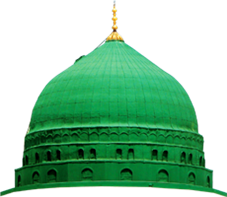
Muslims are greatly encouraged to perform their five daily prayers in congregation, and in the Mosque. A Mosque, in its most basic form, is simply a clean area designated for prayers. Mosques throughout the world have taken on various architectural forms, reflected local cultures. They range from detached pavilions in China to elaborate courtyards in India; from massive domes in Turkey to glass and steel structures in the United States. However, one unique and obvious feature remains - the "call to prayer."
The first person to call Muslims to prayer was a freed African slave from Abyssinia, Bilal ibn Rabah. He was a beloved companion of Prophet Muhammad. Bilal's rich and melodious voice called the Muslims of Madinah to prayer five times a day.
A translation of the call to prayer:
God is Greater, God is Greater;
God is Greater, God is Greater.
I testify that there is no deity except God;
I testify that there is no deity except God.
I testify that Muhammad is the messenger of God; I testify that Muhammad is the messenger of God.
Come to prayer! Come to prayer!
Come to success! Come to success!
God is Greater! God is Greater!
There is no deity except God.
http://www.imanway.com/site/en/islam38.htm